
Oct. 13, 2026

Main Road or Interior Street? Comparing Location Trade-Offs When Buying in Piscataway, NJ


When buying a home in Piscataway, NJ, the property itself is only part of the decision. The street where the home is located can also affect your daily routine, comfort, commute, and future resale appeal. Two homes with similar layouts and square footage may offer very different living experiences simply because one is on a main road and the other is on an interior residential street.

For homebuyers exploring Piscataway and the wider Middlesex County real estate market in 2026, understanding these location trade-offs can help you make a more informed decision. Neither location is automatically better. The right choice depends on your priorities, budget, lifestyle, and how the property fits your long-term plans.

1. Understand the Difference Between Main Roads and Interior Streets

A main road typically carries more traffic and connects neighborhoods to major destinations, shopping areas, employment centers, or other local roads. Depending on the location, a home on a main road may offer convenient access to nearby services and transportation routes.

An interior street is generally located within a residential neighborhood and may experience less through traffic. However, traffic levels can vary significantly. Some interior streets are busy during school drop-off and pickup times, while others remain relatively quiet throughout the day.

In Piscataway, buyers should evaluate the actual street rather than relying only on the property's address or neighborhood name. Traffic patterns, nearby intersections, road access, and surrounding land uses can all influence the experience of living there.

2. Traffic, Noise, and Everyday Comfort

One of the most noticeable differences between main-road and interior-street properties is the amount of traffic nearby.

Homes along busier roads may experience more vehicle noise, headlights, delivery traffic, and activity during peak commuting hours. The impact depends on traffic volume, speed limits, road design, distance from the roadway, landscaping, and the home's construction.

Interior streets may offer a quieter setting, particularly when they have limited through traffic. However, it is still important to check for nearby schools, parks, intersections, commercial properties, or other sources of activity.

What should buyers do?

  • Visit the property during morning and evening commuting hours.

  • Return during the evening or on a weekend to compare noise levels.

  • Spend a few minutes outside near the front and backyard.

  • Check whether traffic noise is noticeable inside with the windows closed.

  • Ask about any planned roadwork or changes that could affect access.

A short visit in the middle of the day may not reveal the conditions you will experience during your normal routine.

3. Convenience and Commuting Access

A home on a main road may provide easier access to major routes, bus stops, shopping areas, or employment destinations. For buyers who commute regularly or need to travel frequently, this convenience can be a meaningful advantage.

However, being close to a major road does not always mean getting to your destination faster. Traffic congestion, difficult turns, signal timing, and peak-hour backups can make some routes less convenient than they appear on a map.

Interior streets may require additional driving before reaching a main road, but some buyers may prefer that separation from busy traffic.

When comparing homes in Piscataway, test the routes you expect to use regularly. Consider the drive to work, grocery stores, medical appointments, schools, and other destinations important to your household.

If public transportation is part of your routine, check the walking route, sidewalk conditions, crossing points, and available transit connections rather than assuming that proximity alone guarantees convenient access.

4. Safety, Sidewalks, and Access for Children or Pets

Traffic conditions deserve special attention if your household includes children, older adults, or pets.

A home near a busy road may require additional precautions when entering or leaving the driveway, walking along the street, or spending time in the front yard. Consider vehicle speeds, visibility, sidewalks, crosswalks, and the distance between the home and moving traffic.

Interior streets can sometimes provide a more comfortable environment for walking, but buyers should not assume every residential street is equally safe. Evaluate actual road conditions, lighting, pedestrian infrastructure, and driver behavior.

During your visit, look for:

  • Continuous sidewalks and safe crossing locations.

  • Clear sightlines when backing out of the driveway.

  • Street lighting and visibility after dark.

  • Traffic-calming features, where present.

  • Safe routes to nearby parks and other destinations.

For a more complete assessment, review available municipal information and visit at different times of day.

5. Privacy, Outdoor Space, and Property Enjoyment

The position of a home relative to a busy road can affect how comfortably you use its outdoor spaces.

A backyard facing away from the road may feel more private than a front yard directly exposed to traffic. Mature trees, fences, landscaping, and the placement of neighboring homes can also influence privacy. Their effectiveness depends on the specific property and should be assessed in person.

Interior-street homes may have less exposure to passing vehicles, but backyard privacy still varies according to lot size, nearby homes, and the property's layout.

Think about how you intend to use the outdoor space. If you enjoy gardening, hosting guests, relaxing on a patio, or allowing children to play outside, evaluate the yard's noise levels, boundaries, and accessibility.

Do not assume a fence or hedge will eliminate road noise. Landscaping can improve the appearance and privacy of a property, but it may not block significant traffic sounds.

6. Purchase Price and Potential Resale Appeal

Location can influence buyer demand, but there is no universal rule that every home on an interior street will be worth more than a comparable property on a main road.

Some buyers prioritize convenient access to major routes. Others place greater value on lower traffic exposure, privacy, or a quieter setting. The effect on a property's market value depends on local demand and the home's individual characteristics.

When comparing two homes in Piscataway, consider:

  • Recent sales of similar properties on comparable streets.

  • Differences in square footage, lot size, condition, and layout.

  • The amount of traffic and noise at each location.

  • Parking, driveway access, and outdoor-space usability.

  • Proximity to services and transportation.

  • The number of competing properties available to buyers.

A lower asking price on a main-road property may reflect its location, but it could also reflect condition, size, needed repairs, or other factors. Likewise, a higher-priced interior-street home is not automatically the better investment.

Ask your real estate agent to compare recent sales and current competing listings, paying attention to differences that could explain the prices.

7. Check Environmental Conditions and Future Road Changes

Before making an offer, investigate whether the property's location raises additional concerns.

For a home near a heavily traveled road, consider whether vehicle noise, dust, lighting, or difficult driveway access could affect your comfort. If these are concerns, visit the property at different times and ask your inspector about relevant property conditions.

Buyers should also check available information about drainage and flooding. A home's street location alone does not determine flood risk. Review the property's specific location using reliable flood mapping resources and ask appropriate questions during the inspection and insurance process.

For Piscataway properties, municipal planning information may also help you understand proposed developments or road changes that could affect traffic and access. Do not assume that a project will happen simply because it has been discussed; verify its current status with the relevant authority.

Useful resources include:

8. A Practical Checklist for Comparing Two Homes

If you are deciding between a main-road home and an interior-street property, use the same checklist for each one. This helps you compare the locations objectively rather than making a decision based on first impressions alone.

What to compare Main-road home Interior-street home
Traffic and noise Observe peak-hour activity Check for neighborhood or school traffic
Commute Test entry and exit routes Test time needed to reach main roads
Outdoor space Assess road exposure and privacy Assess yard privacy and nearby activity
Pedestrian access Check sidewalks and crossings Check walking routes and lighting
Price Compare similar local sales Compare similar local sales
Long-term plans Check potential road or land-use changes Check nearby development and access changes

The best choice is the one that meets your needs at a price supported by the property's condition and the local market.

Final Thoughts: Choose the Street That Fits Your Lifestyle

Buying a home in Piscataway, NJ, involves more than comparing bedrooms, bathrooms, and square footage. Street location can affect your commute, daily comfort, outdoor enjoyment, and the way future buyers perceive the property.

A main-road home may suit buyers who value access and convenience, while an interior-street home may appeal to those who prioritize reduced traffic exposure. Neither option is automatically superior, and the differences should be evaluated property by property.

Before making your decision, visit at different times, test your regular routes, assess traffic and pedestrian conditions, review comparable sales, and discuss any concerns with your real estate agent.

Looking to Buy a Home in Piscataway, NJ?

Yousuf Syed Syed, Broker Associate at eXp Realty, can help you compare properties, evaluate location trade-offs, review comparable sales, and make a more informed buying decision.

With 23 years of real estate experience, over 500 homes sold, and 96 Google five-star reviews, Yousuf helps buyers navigate the New Jersey housing market with a practical, data-informed approach.

Call: 732-754-2541
Website: www.homesbyyousuf.com

Contact Yousuf to schedule your FREE 2026 Market Strategy Session and discuss your homebuying goals in Piscataway and Middlesex County, NJ.

Posted in Market Updates
Oct. 12, 2026

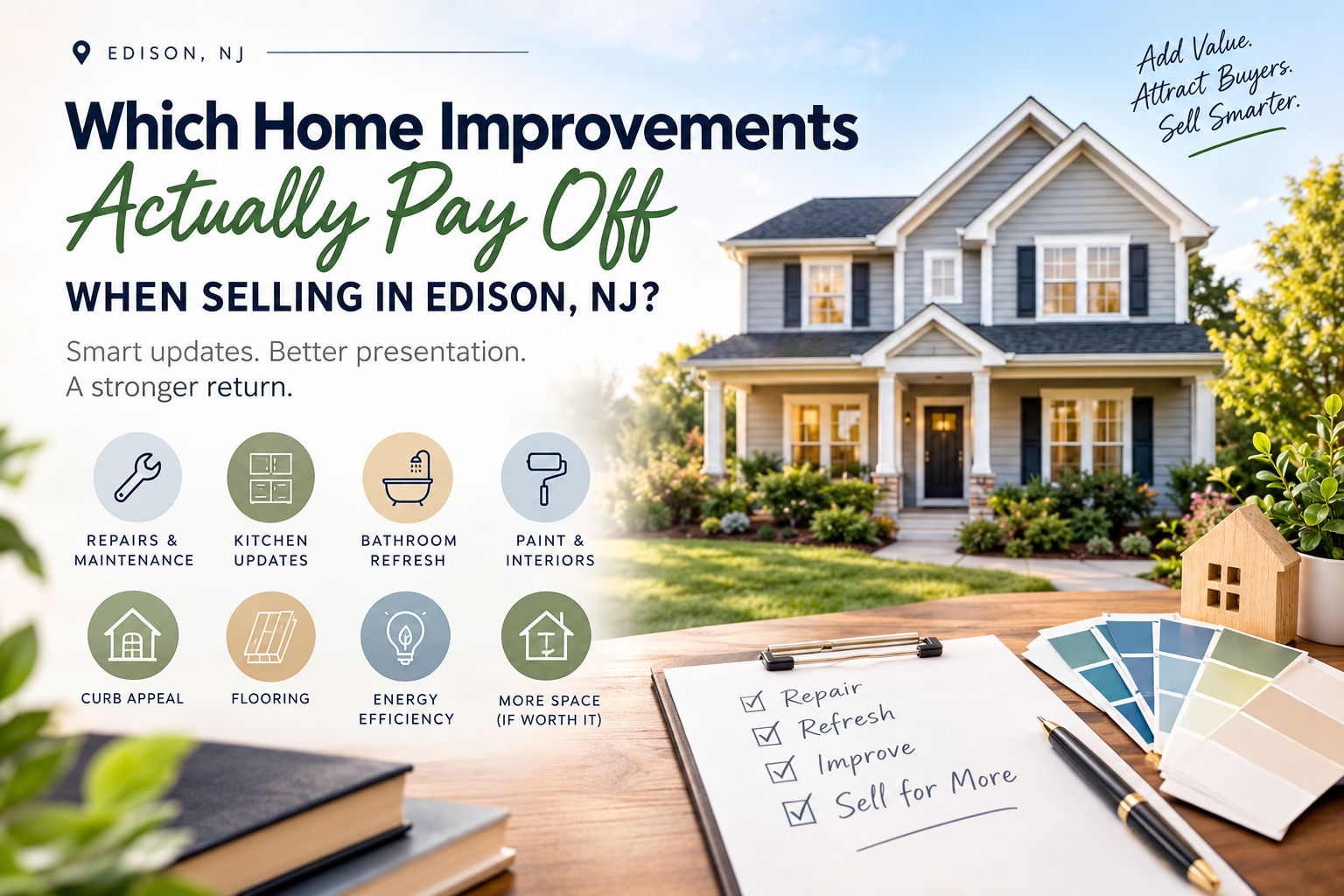
Selling a Home in Edison, NJ? What Buyers Notice Before They Walk Through the Door

When selling a home in Edison, NJ, first impressions can influence whether a buyer schedules a showing, saves your listing, or moves on to another property. Today's buyers often begin their search online, comparing listing photos, home features, asking prices, and neighborhood information before deciding which properties deserve a closer look.

For homeowners preparing to sell in 2026, getting the details right before listing can help your property stand out. From curb appeal and professional photography to pricing and online presentation, small decisions can affect how buyers perceive your home.

If you are planning to sell, here's what buyers may notice before they ever step inside.

1. Your Home's Exterior Creates the First Impression

The exterior is often the first thing buyers see in listing photos and when they arrive for a showing. An unmaintained yard, peeling paint, cluttered entrance, or damaged walkway may distract buyers before they notice the property's strengths.

Fortunately, improving curb appeal does not always require a major renovation.

Before listing your Edison home, consider:

  • Mowing the lawn and trimming overgrown shrubs.

  • Removing weeds, fallen branches, and outdoor clutter.

  • Cleaning the front door, windows, driveway, and walkway.

  • Replacing burned-out exterior light bulbs.

  • Refreshing mulch and adding simple seasonal plants.

  • Moving garbage bins and unnecessary items out of view.

If the exterior needs painting or repairs, prioritize the areas most visible from the street and entrance. The goal is to present a clean, maintained property without spending unnecessarily on cosmetic upgrades.

2. Listing Photos Can Determine Whether Buyers Click

Online presentation plays an important role in attracting potential buyers. Even a well-maintained home may receive less attention if its photos are dark, poorly composed, or cluttered.

Buyers typically want to understand the layout, room sizes, natural light, and condition of a property before arranging a visit.

To prepare for listing photography:

  • Open curtains and blinds to maximize natural light.

  • Remove excess furniture that makes rooms feel crowded.

  • Clear kitchen counters and bathroom surfaces.

  • Make beds and organize visible storage areas.

  • Put away personal items and unnecessary decorations.

  • Ensure each room is clean and ready to photograph.

Professional real estate photography can help showcase your home's best features. Depending on the property, a floor plan, video tour, or virtual tour may also help buyers understand the layout.

Remember that photos should accurately represent the property. Overediting images or hiding significant defects can create disappointment during showings and undermine buyer confidence.

3. Decluttering Helps Buyers Picture Themselves Living There

Personal photographs, collections, crowded countertops, and oversized furniture can make it harder for buyers to focus on the home itself.

Decluttering helps rooms feel more open and allows important features, such as hardwood floors, fireplaces, windows, and built-in storage, to stand out.

You do not necessarily need to remove everything or make your home look empty. Instead, aim for a balanced presentation that highlights usable space.

Start with the entryway, living room, kitchen, primary bedroom, and bathrooms. Organize closets and storage areas as well, since buyers may open doors to evaluate available space.

If you are still living in the home, use baskets, storage bins, and temporary off-site storage to keep everyday items organized during showings.

4. Buyers Notice Kitchens, Bathrooms, and Visible Repairs

Buyers often pay close attention to kitchens and bathrooms because these rooms can be expensive to renovate. However, a complete remodel is not always necessary before selling.

Simple improvements may make a noticeable difference:

  • Replace outdated or damaged cabinet hardware where appropriate.

  • Clean grout, faucets, sinks, and shower surfaces.

  • Repair dripping taps and loose handles.

  • Replace burned-out bulbs and broken fixtures.

  • Touch up scuffed walls and chipped paint.

  • Address visible leaks, damaged flooring, or other maintenance concerns.

Before spending thousands of dollars on renovations, discuss your plans with a real estate professional. The value of an improvement depends on the property's condition, comparable homes, buyer expectations, and the local market.

For older homes in Edison, it is especially important to identify maintenance concerns before listing. If work requires permits or municipal approvals, check the applicable requirements rather than assuming cosmetic completion is enough.

5. A Clean, Neutral Presentation Makes a Difference

Buyers may have difficulty looking past strong odors, visible dirt, pet hair, or highly personalized décor. A clean and neutral presentation can help them focus on the property's layout and features.

Before photographs and showings, clean floors, windows, kitchen surfaces, bathrooms, and frequently touched areas. Address odors at their source rather than relying on heavy fragrances.

You may also consider neutral paint colors if existing walls are heavily marked or feature bold colors that dominate a room. However, repainting every room is rarely necessary without a clear reason.

The objective is not to remove every sign that someone lives there. It is to make the property feel cared for and easy for prospective buyers to evaluate.

6. Your Asking Price Is Part of Your First Impression

Presentation can encourage buyers to explore a listing, but price often determines whether they consider it a serious option.

Buyers compare your property with other available homes and recently sold properties. If the asking price appears out of line with the home's condition, size, location, or features, some buyers may skip it altogether.

Before choosing a price, review comparable sales in Edison, including properties with similar square footage, bedroom and bathroom counts, lot characteristics, and overall condition. Pay attention to when those homes sold and whether their features are genuinely comparable.

Avoid relying exclusively on a neighbor's asking price or an automated online estimate. Neither necessarily reflects what buyers are willing to pay for your particular property.

A data-driven pricing strategy can help you enter the market with realistic expectations and make informed decisions if buyer feedback suggests an adjustment is needed.

7. Location and Property Details Matter, Too

Buyers evaluate more than the house itself. They may research commuting options, nearby shopping, parking, property taxes, and the surrounding street before scheduling a showing.

For Edison homeowners, the property's specific location and features can influence how it compares with other listings. Buyers may also ask about renovations, the age of major systems, utility costs, and available documentation.

Prepare accurate information about your home's features and any completed improvements. Keep records of relevant permits, warranties, and repair work where available. Be transparent about known issues and follow New Jersey's applicable disclosure requirements.

Clear information helps buyers make informed decisions and can reduce avoidable surprises later in the transaction.

8. Make Your Listing Stand Out Before It Goes Live

The best preparation begins before your listing reaches the market. Walk through your home as though you were seeing it for the first time. Look at the entrance, inspect each room, check the lighting, and identify anything that might distract from the property's strongest features.

A pre-listing consultation can help you prioritize the improvements most likely to matter to prospective buyers. Instead of spending money on every possible upgrade, focus on the property's condition, presentation, and competitive position.

Yousuf Syed Syed, Broker Associate at eXp Realty, helps sellers evaluate pricing, prepare their homes for the market, and develop marketing strategies tailored to their properties. With 23 years of real estate experience, over 500 homes sold, and 96 Google five-star reviews, his approach emphasizes informed decisions, thoughtful preparation, and data-driven negotiation.

Ready to Sell Your Home in Edison, NJ?

You do not need a complete renovation to make a strong first impression. A clean exterior, thoughtful decluttering, attractive photography, necessary repairs, and a realistic asking price can help buyers recognize your home's value before they walk through the door.

If you are considering selling in Edison or elsewhere in Middlesex County, preparing early can help you understand which improvements are worthwhile and how to position your property against competing listings.

Contact Yousuf Syed Syed at eXp Realty for personalized guidance on preparing and pricing your home.

Call 732-754-2541 | Visit homesbyyousuf.com to schedule your FREE 2026 Market Strategy Session.

Posted in Market Updates
Oct. 12, 2026

What Edison Homebuyers Should Check About Basements, Drainage, and Flood Risk

When buying a home in Edison, NJ, a finished basement, spacious lower level, or attractive backyard can make a property stand out. But before making an offer, buyers should look beyond appearances and understand how the property handles heavy rain, groundwater, and drainage.


Water-related problems can lead to damaged flooring, mold growth, foundation concerns, and unexpected repair expenses. Even a home that looks dry during a showing may have experienced water intrusion in the past.

For anyone exploring Middlesex County, NJ real estate in 2026, understanding basement condition and flood risk is an important part of evaluating a property's long-term costs. Here's what to check before committing to a home in Edison.

1. Look for Signs of Previous Basement Water Problems

A basement does not need standing water to show signs of moisture. During a showing, look carefully at walls, floors, corners, windows, and areas around plumbing.

Potential warning signs include:

  • Musty or persistent damp odors.

  • Water stains or discoloration on walls and ceilings.

  • White, chalky deposits on masonry, sometimes called efflorescence.

  • Peeling paint, bubbling finishes, or damaged baseboards.

  • Rust on metal fixtures or corrosion around pipes.

  • Visible mold-like growth or deteriorating materials.

  • Recently replaced flooring or fresh paint in isolated areas that may warrant further questions.

These signs do not automatically mean a home has a major defect. However, they are reasons to investigate further rather than assume the basement is problem-free.

Ask the seller about known water intrusion, previous repairs, sump pump installations, and any history of flooding or water pooling after storms. Review available invoices, warranties, and contractor reports.

A qualified home inspector can help identify visible concerns and recommend additional evaluation when necessary.

2. Check How Rainwater Moves Around the Property

Drainage around the house can affect whether water collects near the foundation or moves away from the building.

During your visit, examine the ground immediately surrounding the home. Look for areas where the soil slopes toward the foundation, low spots where water may collect, or signs that downspouts discharge water close to the house.

Also pay attention to:

  • Gutters that appear clogged, loose, or damaged.

  • Downspouts that release water beside the foundation.

  • Depressions in the yard that may collect runoff.

  • Soil erosion or exposed areas near the foundation.

  • Retaining walls showing movement or deterioration.

  • Driveways or patios that slope toward basement entrances.

A property may have a drainage issue even if the basement currently looks dry. If something appears concerning, ask a qualified contractor to assess the grading and drainage system.

Do not assume that a simple landscaping change will solve every problem. The appropriate solution depends on the property's topography, soil conditions, existing drainage infrastructure, and the source of the water.

3. Understand Edison Flood Risk Beyond the Flood-Zone Map

One of the most important steps is checking the property's flood-risk information before making a purchase decision.

The Federal Emergency Management Agency (FEMA) publishes flood maps that identify designated flood hazard areas. However, these maps do not capture every possible source of flooding, particularly localized drainage problems or water accumulation during intense rainfall.

The New Jersey Department of Environmental Protection explains that flooding can occur outside mapped flood zones and provides tools to help residents investigate potential risks. 

Before buying a home, consider these steps:

  1. Search the property's address using the NJDEP Flood Indicator Tool.

  2. Review available FEMA flood-zone information and historical flooding indicators.

  3. Ask the seller about known flooding, water pooling, and previous flood damage.

  4. Ask your insurance professional whether flood coverage is advisable and what it may cost.

  5. Investigate drainage concerns even if the property is outside a mapped flood hazard area.

Treat mapping tools as a starting point, not a guarantee that a home will or will not flood. Site-specific conditions and changes in rainfall patterns can affect actual risk.

4. Ask About Sump Pumps, Foundation Repairs, and Waterproofing

Some homes use sump pumps, drainage systems, or waterproofing measures to manage water around the foundation. These systems can be useful, but their presence does not automatically mean the basement is protected under every condition.

If the property has a sump pump, ask whether it has been serviced, whether there is a backup system, and whether the discharge location is appropriate. A backup power source may be worth discussing with a qualified professional because severe storms can interrupt electricity.

If the seller reports foundation repairs or basement waterproofing, request documentation where available. Ask who performed the work, what problem was addressed, and whether any warranty transfers to the new owner.

Look for visible foundation cracks, signs of movement, or recurring moisture. Not every crack indicates a structural problem, but significant, widening, or displaced cracks deserve evaluation by an appropriate specialist.

New Jersey emergency-management guidance also recommends considering sump pumps with backup power and taking steps to reduce water damage to basement equipment. <Cite refs={["turn550626search3"]} />

5. Find Out Whether Flood Insurance May Be Necessary

Homeowners insurance generally does not cover flood damage under a standard policy. Flood insurance may need to be purchased separately, and coverage terms vary by policy. <Cite refs={["turn550626search11"]} />

If you are considering a property in Edison, ask your insurance agent to explain:

  • Whether the lender will require flood insurance.

  • Whether separate flood coverage is available and advisable.

  • The estimated annual premium and deductible.

  • What the policy covers and excludes.

  • Whether basement contents and equipment have limited coverage.

  • How the property's flood-zone classification affects the insurance process.

Do this early enough to understand the potential expense before closing. The mortgage payment alone does not represent the full cost of owning a home.

For additional information, consult NJDEP's flood-risk guidance and discuss property-specific questions with an insurance professional.

6. Review the Seller's Flood Disclosures

New Jersey requires sellers of residential real estate to provide specific flood-risk information through the applicable property condition disclosure process before the buyer becomes obligated under the purchase contract.

The disclosures address matters including designated FEMA flood hazard areas and the seller's actual knowledge of the property's flood risks. <Cite refs={["turn550626search4","turn550626search12"]} />

Review the information carefully and ask questions if an answer is unclear or if it conflicts with what you observe during the inspection.

You can also ask about previous water intrusion, basement repairs, insurance claims, and known drainage issues. Have your real estate agent and attorney help you understand the available information and your options under the contract.

Remember that disclosure forms are only one source of information. They should be considered alongside inspections, records, insurance guidance, and independent flood-risk research.

7. Make the Home Inspection Work for You

A standard home inspection can identify visible moisture concerns and certain drainage or foundation warning signs, but it may not establish the full cause of a water problem or predict future flooding.

If the inspector identifies concerns, consider whether additional evaluation is appropriate. Depending on the findings, you may need advice from a foundation specialist, drainage contractor, structural engineer, or other qualified professional.

Before your inspection contingency or other contractual deadlines expire, discuss the results with your real estate agent and attorney. They can help you understand the contract's available options, which may include requesting repairs, seeking additional information, negotiating terms, or reconsidering the purchase where permitted.

Do not rely solely on a seller's verbal assurance that a basement has never had water problems. Ask questions, review documentation, and make decisions based on the evidence available.

8. Calculate the Potential Cost of Basement Improvements

A basement can provide useful storage or additional usable space, but moisture problems can turn an attractive feature into an expensive project.

Potential expenses may include repairing damaged finishes, improving exterior drainage, replacing a sump pump, addressing foundation issues, or remediating moisture-related damage. The cost depends on the source and severity of the problem.

Before making an offer, consider how any required repairs would affect your budget. If the basement is finished, verify that the work was completed appropriately and determine whether applicable permits or approvals were obtained.

Do not assume that a finished basement is automatically approved for every intended use. Confirm relevant requirements with the appropriate municipal authorities.

A home that fits your budget at the asking price may have a very different total cost once necessary repairs, insurance, and ongoing maintenance are considered.

Choose Your Edison Home With Confidence

A careful review of basement condition, exterior drainage, flood maps, insurance costs, and seller disclosures can help you make a more informed homebuying decision.

For buyers exploring Middlesex County, NJ homes for sale, the goal is not necessarily to avoid every property with a basement or any potential water concern. It is to understand the risks, investigate warning signs, and evaluate whether the home makes financial sense for your circumstances.

Yousuf Syed Syed, Broker Associate at eXp Realty, helps buyers evaluate property options, compare market information, and navigate the homebuying process. With 23 years of real estate experience, over 500 homes sold, and 96 Google five-star reviews, his approach emphasizes informed decisions and data-driven negotiation.

Contact Yousuf Syed Syed at eXp Realty for guidance as you explore homes in Edison and throughout Middlesex County.

Call 732-754-2541 | Visit homesbyyousuf.com to schedule your FREE 2026 Market Strategy Session.

Posted in Market Updates
Oct. 9, 2026

A 2026 Homebuyer’s Guide to Metuchen, NJ


Buying a home involves more than finding the right property. Buyers also want to understand the surrounding community, local schools, dining options, transportation, recreation, and activities available throughout the year. For anyone exploring Middlesex County, NJ real estate in 2026, Metuchen offers a combination of residential neighborhoods, a downtown business district, and convenient rail connections.

Whether you are purchasing your first home, upgrading to a different property, or considering a real estate investment, this guide covers what to know before buying a home in Metuchen, New Jersey.

Why Consider Buying a Home in Metuchen, NJ?

Metuchen is a borough in Middlesex County with a downtown area featuring restaurants, independent businesses, public spaces, and community events. Its NJ TRANSIT station on the Northeast Corridor Line is another important consideration for people who commute to work or travel regularly.

The local housing market includes single-family homes, condominiums, and other residential properties. Home prices and property conditions can vary based on location, size, age, renovations, and available features.

When comparing homes, consider more than the listing price. Think about your commute, parking needs, preferred property layout, maintenance budget, and access to the places you visit most often.

Understanding the Metuchen Housing Market in 2026

Before beginning your search, review recent sales and current listings to understand what your budget may buy.

According to Redfin’s Metuchen housing market report, the median sale price across home types was approximately $780,000 for the three months ending August 2026. Market figures fluctuate, and a borough-wide median does not determine the value of an individual property.

To evaluate a home accurately, compare recently sold properties with similar square footage, condition, location, and features. Also review how long comparable homes have been listed and whether their final sale prices differed from their asking prices.

A local real estate professional can help you interpret these details and develop an offer strategy based on current market evidence.

Metuchen Schools: What Homebuyers Should Research

For buyers considering school options, understanding the local public school district is an important part of the home search. Metuchen Public Schools operates four schools serving students from prekindergarten through grade 12:

  • Moss School: Prekindergarten through grade 2

  • Campbell Elementary School: Grades 3–5

  • Edgar Middle School: Grades 6–8

  • Metuchen High School: Grades 9–12

You can explore school information, district calendars, registration details, and other resources on the official Metuchen School District website.

Before purchasing, verify school attendance boundaries, registration requirements, transportation arrangements, and any recent district updates directly with the district. Do not assume that a particular address is assigned to a school based on its proximity alone.

Buyers should also review school programs and available performance information to determine which options meet their individual needs. If considering private or specialized education, research those options separately.

Restaurants and Downtown Dining in Metuchen

Metuchen’s downtown dining scene gives residents a variety of places to explore, from casual cafés and bakeries to international cuisine and sit-down restaurants.

Some local options to investigate include:

  • Hatch44 Cafe: A downtown destination for breakfast, brunch, and coffee.

  • Hailey’s Harp & Pub: An Irish pub serving classic fare and hosting live music.

  • The Greek on Main: A restaurant offering Greek-inspired dishes.

  • Mangia Toscano: A downtown restaurant specializing in Tuscan cuisine.

  • Meximodo: A Mexican restaurant and tequila bar located near the Town Plaza.

  • Cinnaholic: A bakery specializing in plant-based cinnamon rolls.

These are examples of the businesses listed in the Downtown Metuchen food and dining directory. Restaurant menus, hours, and business details may change, so confirm information before visiting.

When exploring homes, take time to walk around downtown and experience the area for yourself. Consider whether the location and nearby amenities fit your routine, whether you prefer being close to dining and shops, and how you would typically travel to these destinations.

Local Events and Community Activities

Community events can help prospective buyers learn more about Metuchen’s public spaces, downtown businesses, and local activities. Throughout the year, the borough and Downtown Metuchen organize or promote opportunities for residents and visitors to participate in community life.

Examples of activities to look for include:

  • Downtown seasonal events: Check the Downtown Metuchen calendar for festivals, themed weekends, and special shopping or dining activities.

  • Arts and cultural events: Look for activities organized by the Metuchen Arts Council and local arts organizations.

  • Recreation programs: The borough offers recreation activities, sports programs, classes, and seasonal programming.

  • Holiday celebrations: Review the borough calendar for parades, Halloween activities, and other seasonal gatherings.

For current dates and details, visit the Downtown Metuchen events page and the official Borough of Metuchen website.

If you are planning a home search around a particular event, confirm the schedule before making plans. Events vary by season, and the official calendar is the best source for current information.

Parks, Recreation, and Outdoor Spaces

Outdoor amenities can also be part of your homebuying decision. Metuchen offers recreation programs and public facilities that provide opportunities for exercise, leisure, and community participation.

Explore the borough’s recreation resources to learn about sports facilities, seasonal programs, the municipal pool, and activities for different age groups. Start with the Metuchen Recreation Department.

As you tour homes, consider nearby parks and recreational facilities, available sidewalks, outdoor space, and the ease of reaching places you plan to use regularly. If a particular facility matters to you, visit it in person and check its current access rules and operating schedule.

Commuting and Transportation

Transportation access is another factor worth evaluating when buying a home in Metuchen. The borough is served by NJ TRANSIT rail service on the Northeast Corridor Line, providing connections toward destinations including New York City and Trenton.

Visit the NJ TRANSIT Metuchen Station page to review service information and available station details.

If commuting by train, check current schedules, fares, parking availability, and your likely travel time. Also consider how far a prospective home is from the station and whether you would walk, drive, cycle, or use another transportation option.

Proximity to a train station may appeal to some buyers, but it does not guarantee a particular resale value. Noise, traffic, parking, property condition, and other location-specific factors should be considered as well.

How Much Should You Budget for a Home?

Your homebuying budget should account for the total cost of ownership, not just the purchase price. Before touring homes, consider getting mortgage preapproval and reviewing your expected monthly expenses.

Include these costs in your calculations:

  • Down payment and mortgage payments

  • Property taxes and homeowners insurance

  • Lender fees, title services, attorney fees, and other closing costs

  • Inspection costs and potential repairs

  • Utilities, maintenance, and moving expenses

Ask your lender to explain your financing options and request an estimate of the cash you will need at closing. Property taxes and maintenance expenses can differ significantly from one home to another, so compare them before deciding which property fits your budget.

Making an Offer and Navigating the Closing Process

Once you find a suitable home, review recent comparable sales, property condition, and the seller’s asking price before submitting an offer. Your real estate agent can help you understand the market and consider the terms that may make an offer more competitive.

After an offer is accepted, the process typically involves a home inspection, mortgage underwriting, appraisal when required, title review, and preparation for closing. New Jersey residential transactions commonly include an attorney review period, so consult your attorney about the contract, deadlines, contingencies, and any proposed changes.

Do not overlook municipal requirements or potential repairs. Ask the appropriate professionals which inspections, permits, or certificates may be necessary for the property.

Before closing, complete a final walkthrough, confirm agreed-upon items, and review the closing documents and funds due.

Work With a Local Real Estate Professional

Buying a home in Metuchen requires a clear understanding of your budget, the local market, and the details of each property. School information, dining options, transportation, recreation, and local events can help you assess whether the area fits your needs, but the best choice ultimately depends on your own priorities.

Yousuf Syed Syed, Broker Associate at eXp Realty, helps buyers evaluate property options, review comparable sales, and navigate offer negotiations. With 23 years of real estate experience, over 500 homes sold, and 96 Google five-star reviews, Yousuf brings a data-driven approach to helping clients make informed real estate decisions.

Whether you are a first-time buyer or an experienced purchaser, working with a knowledgeable local agent can help you approach the process with a clear plan.

Start Your Metuchen Home Search in 2026

Metuchen offers a mix of residential properties, downtown dining, public school options, rail connections, recreation opportunities, and community events. Exploring these features in person can help you decide which locations and homes best match your priorities.

If you are searching for Middlesex County, NJ homes for sale or planning to buy in Metuchen, take the time to understand current market conditions and evaluate each property carefully.

Contact Yousuf Syed Syed at eXp Realty for personalized guidance on your home search.

Call 732-754-2541 
Visit homesbyyousuf.com to schedule your FREE 2026 Market Strategy Session.

Posted in Market Updates
Oct. 9, 2026

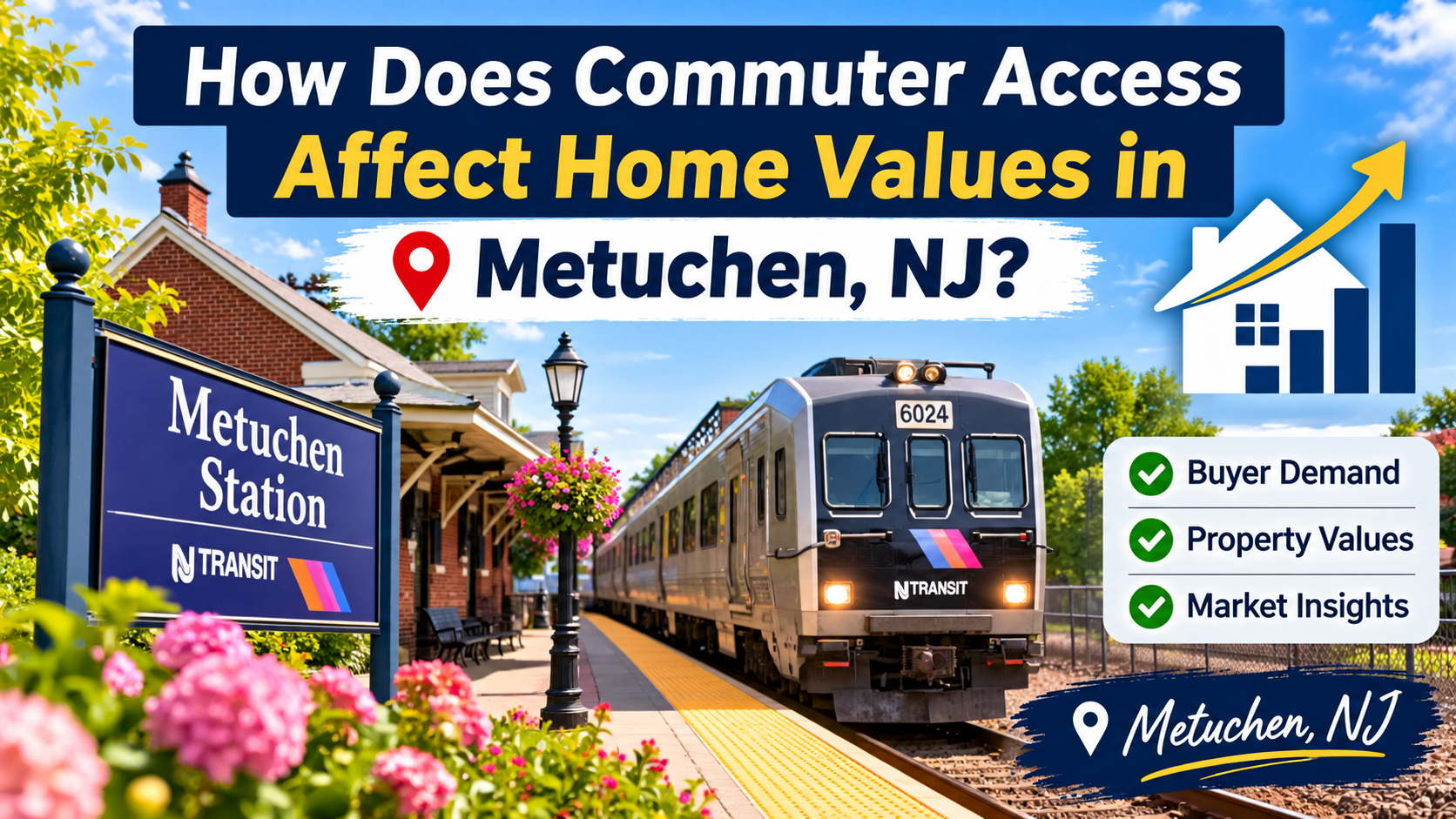
How Does Commuter Access Affect Home Values in Metuchen, NJ?


When buying or selling a home in Metuchen, NJ, location is an important part of the real estate equation. One factor that can influence buyer interest is access to public transportation, especially for people who commute to work or travel regularly.

Metuchen offers NJ TRANSIT rail service through the Northeast Corridor Line, connecting the area with destinations including New York City and Trenton. For homeowners, understanding how transportation access affects property demand can help when planning a purchase or preparing to sell.

Yousuf Syed Syed, Broker Associate at eXp Realty, is a 23 year veteran real estate agent with over 500 homes sold and 96 Google 5-star reviews. His local market approach helps homeowners understand how their property's features and location may influence its value.

Why Is Commuter Access Important to Homebuyers?

Convenient transportation can be an important consideration when buyers compare properties. Access to a train station may help reduce reliance on driving for certain commutes and provide additional travel options.

Metuchen Station serves the Northeast Corridor Line and offers parking, accessibility features, Wi-Fi, and bicycle facilities. Buyers can review current schedules, service information, and parking details through the official NJ TRANSIT Metuchen Station page.

However, transportation preferences vary. Some buyers prioritize walking access to a station, while others prefer driving and parking or primarily use their vehicles.

Can Commuter Access Increase Home Values in Metuchen?

Transportation access can contribute to a property's appeal, but it does not automatically guarantee a higher sale price.

Homes located near convenient transportation may attract interest from buyers who value rail access. The actual effect on price depends on several factors, including the property's condition, size, street, parking availability, and recent comparable sales.

Noise, traffic, station parking arrangements, and walking routes may also influence how buyers evaluate a particular property.

For sellers, the important question is not simply how close the home is to the station, but how that location compares with similar homes currently on the market and recently sold properties.

What Are Home Values Like in Metuchen in 2026?

Metuchen's housing market provides useful context for homeowners evaluating their property's value.

According to Zillow, the typical Metuchen home value was approximately $687,805 as of August 31, 2026, representing a 2.4% increase over the previous year. Redfin reported a median sale price of approximately $780,000 for the three months ending August 2026.

These figures use different methodologies: Zillow's figure is a home-value index, while Redfin's figure reflects completed sales. Neither figure should be treated as an appraisal of an individual property.

You can explore current market information through Zillow's Metuchen home values report and Redfin's Metuchen housing market report.

How Should Sellers Highlight Transportation Access?

If you're selling a home in Metuchen, transportation access may be worth including in your marketing when it is relevant to the property's location.

Consider highlighting:

  • Approximate distance to Metuchen Station.
  • Available walking, cycling, driving, and parking options.
  • Access to major roads and nearby destinations.
  • Property features such as a driveway, garage, or additional parking.
  • Recent comparable sales that help support your asking price.

Keep descriptions factual. For example, stating that a property is a certain distance from Metuchen Station is more useful than promising buyers a specific commute time without verifying it.

What Should Buyers Consider Before Purchasing Near a Train Station?

Before making an offer, buyers should evaluate the complete property rather than focusing exclusively on transportation access.

Consider the actual route to the station, available parking, train schedules, potential noise, traffic patterns, and the home's overall condition. Visit the property at different times when practical to understand the surroundings.

Compare similar homes with different levels of transportation access to determine whether any price difference is justified by the features that matter to you.

How Can a Local REALTOR® Help You Understand Property Values?

Whether you're buying or selling, a local real estate professional can help you compare properties, evaluate recent sales, and understand how location fits into the overall pricing strategy.

Yousuf Syed Syed real estate services focus on market data, property-specific comparisons, and each client's goals. Rather than relying solely on online estimates, homeowners can benefit from a comparative market analysis that considers recent sales, current competition, property condition, and location.

If you own a home in Metuchen and are considering selling, understanding how commuter access fits into your property's market position is a useful first step.

Contact Yousuf Syed Syed at Exp Realty | 7327542541 | homesbyyousuf.com for a FREE 2026 Market Strategy Session.

Posted in Market Updates
Oct. 9, 2026

How Much Is My Home Worth in Woodbridge Township, NJ in 2026?


If you own a home in Woodbridge Township, NJ, one of the first questions you may have in 2026 is: What is my home worth right now?


The answer depends on much more than an online estimate. Your home's value can be influenced by its condition, size, location, improvements, lot, features, recent comparable sales, and current competition.

As a 23 year veteran real estate agent, Yousuf Syed Syed, Broker Associate at eXp Realty, has helped sell more than 500 homes and has earned 96 Google 5-star reviews. His approach combines local knowledge with current market data to help homeowners make informed decisions.

What Are Homes Selling for in Woodbridge Township?

Recent 2026 market data shows that Woodbridge Township remains an active real estate market. Recent data through August 2026 put the median sale price around $500,000, with homes taking approximately 55 days to sell.

However, a township-wide median does not tell you exactly what your property is worth.

A home with recent renovations, a newer roof, updated bathrooms, or other desirable improvements may command a different price than a similar-sized property that needs work.

That is why determining home values in Woodbridge Township NJ requires looking at your specific property and the most relevant recent sales.

What Determines Your Home's Value?

Several factors can affect your home's current market value:

* Recent comparable sales
* Square footage and lot size
* Number of bedrooms and bathrooms
* Property condition
* Kitchen and bathroom updates
* Roof and major systems
* Garage and parking
* Finished basement or additional living space
* Current competition

A professional comparative market analysis (CMA) brings these factors together to estimate a realistic market range.

Does Location Matter Within Woodbridge Township?

Woodbridge Township includes communities such as Woodbridge, Iselin, Colonia, Fords, Avenel, and others. Property values can vary depending on the specific area, street, property type, and characteristics of the home.

For that reason, looking only at the average Woodbridge Township NJ real estate 2026 statistics may not give you an accurate picture of your property's value.

Local market knowledge is especially important when comparing similar properties.

Should You Make Improvements Before Selling?

Not necessarily.

One of the biggest mistakes homeowners can make is spending significant money on renovations without first understanding what the market supports.

Some properties may benefit from fresh paint, cleaning, landscaping, decluttering, or minor repairs. Others may benefit from larger updates.

Before investing, compare the potential cost of the improvement with the potential impact on your sale price and buyer interest.

Yousuf's philosophy is to focus on the homeowner's goals first and then develop a strategy around the property.

Are Online Home Estimates Accurate?

Online estimates can provide a general starting point, but they should not replace a local market analysis.

Automated tools may not know about recent renovations, the property's actual condition, unique features, or differences between nearby properties.

If you're considering selling, a professional CMA can provide a more useful estimate based on current Woodbridge Township NJ homes for sale, recently sold properties, and competing inventory.

What Is Your Woodbridge Home Really Worth?

Your home's value isn't simply the highest number you see online or the price a neighbor received. It is based on what today's market indicates buyers are willing to pay for your specific property.

Yousuf Syed Syed real estate services combine local knowledge, market data, and more than two decades of experience to help homeowners understand their options.

If you're thinking about selling—or simply want to know where your home's value stands in 2026—getting an updated market analysis is a smart first step.

Contact Yousuf Syed Syed at Exp Realty | [7327542541]
[homesbyyousuf.com] for a FREE 2026 Market Strategy Session

Posted in Market Updates
Oct. 9, 2026

Is 2026 a Good Time to Sell a Home in Woodbridge Township?


If you're a homeowner in Woodbridge Township, NJ, you may be wondering whether 2026 is a good time to sell your home.


The short answer is: it can be, but the right timing depends on your property, your goals, and how you approach the market.

Woodbridge remains an active real estate market in 2026. Recent data shows that homes are still attracting buyers, but sellers need to pay close attention to pricing, condition, competition, and current market trends.

As a 23 year veteran real estate agent, Yousuf Syed Syed, Broker Associate at eXp Realty, has helped sell more than 500 homes and has earned 96 Google 5-star reviews. His approach is focused on using current market data to help homeowners make informed selling decisions.

What Is the Woodbridge Township Market Doing in 2026?

The 2026 market presents an interesting picture for Woodbridge homeowners.

According to June 2026 data from the New Jersey REALTORS® Local Market Update, the median single-family sale price in Woodbridge Township was $537,500, with homes selling for approximately 101.5% of their asking price on average. Year-to-date through June, the median sale price was $531,000.

More recent data through August showed a median sale price of approximately $500,000 across home types, with homes selling in about 55 days on average and an average sale-to-list ratio of 102.6%.

These numbers suggest there is still meaningful buyer demand, but they also show why sellers should not assume every home will receive multiple offers.

Does That Mean You Should Sell Now?

Not necessarily.

The best time to sell isn't determined by the market alone. Your financial situation, moving plans, property condition, desired timeline, and next-home plans all matter.

For some homeowners, selling in 2026 may make sense because they want to take advantage of their existing equity. For others, waiting may better fit their plans.

The key is to understand your options before making the decision.

How Important Is Pricing Your Home Correctly?

In today's market, pricing strategy matters.

Recent Woodbridge data shows that homes can sell around or above asking price, but that doesn't mean sellers should automatically price high. Buyers have access to more information than ever, and an overpriced property can sit on the market while competing listings attract attention.

A well-researched price should consider:

* Recent comparable sales
* Current competing listings
* Property condition
* Improvements and upgrades
* Location and lot characteristics
* Current buyer demand
* Your desired selling timeline

The goal isn't simply to choose the highest possible asking price. It's to establish a price that attracts qualified buyers while supporting your overall selling strategy.

Should You Make Repairs Before Selling?


Before spending money on renovations, determine which improvements are likely to matter in your market.

Some homes may benefit from simple improvements such as fresh paint, landscaping, cleaning, decluttering, or minor repairs. Other properties may require more substantial work.

There is no one-size-fits-all renovation plan.

A local market analysis can help you determine whether an improvement is likely to strengthen your property's presentation and marketability—or simply add unnecessary expense.

What If You're Buying Another Home?


If you're selling because you plan to purchase another property, timing becomes even more important.

You may need to coordinate the sale of your current home with the purchase of your next one. That means considering your expected sale proceeds, financing, closing timelines, and potential contingencies.

This is where a customized strategy can make a major difference.

Is 2026 the Right Year for You to Sell?

Woodbridge's 2026 market gives homeowners opportunities, but there is no universal answer to whether you should sell today or wait.

The better question is:

What does the current market mean for your specific property and your specific goals?

With more than 500 homes sold, Yousuf Syed Syed brings extensive experience to helping homeowners evaluate pricing, preparation, marketing, negotiations, and timing.

If you're considering selling, don't base your decision on a generic online estimate or what you hear about the overall market. Get a property-specific strategy based on current data.

Contact Yousuf Syed Syed at Exp Realty | [7327542541] [homesbyyousuf.com] for a FREE 2026 Market Strategy Session

Posted in Market Updates
Oct. 2, 2025

Welcome to Your Local Real Estate Resource

Welcome to Your Local Real Estate Resource

This website is built specifically for your local market—not a national portal. Whether you're buying, selling, or just exploring, you'll find tools and insights tailored to your community, backed by real people who are here to help.

🔍 Search for Homes in Your Area

Use our Home Search tool to explore listings that match your needs. Filter by location, price, and features to find homes that fit your lifestyle.

👉 Start Your Home Search

📊 Stay Informed with Market Reports

Our Market Reports give you up-to-date insights on pricing trends, inventory, and recent sales in your neighborhood. It’s a great way to stay ahead—whether you're buying or selling.

👉 View Market Reports

💰 Know Your Home’s Value

Thinking about selling? Use our Home Value tool to get a quick estimate of your property’s worth in today’s market. It’s fast, free, and a great starting point.

👉 Check Your Home Value

👋 Talk to a Real Local Expert

This isn’t just a website—it’s backed by real humans who know your area and are ready to help. Visit our About Us page to learn more about your local agent and how they can support your real estate journey.

👉 Contact Us


Thanks for visiting!
We’ll be updating this blog regularly with tips, insights, and local updates. And if you ever have questions, just reach out—we’re here to help.

Posted in Market Updates